Health and safety
How we work, and how we say so
This page is written for the person prequalifying RPC: a quantity surveyor building a tender file, a council procurement officer, a school board asking who will be on site during term. It describes how RPC runs a site. It shows no safety rating and no membership mark, because nothing of that kind appears anywhere on this site without a current certificate behind it and a visible date beside it.
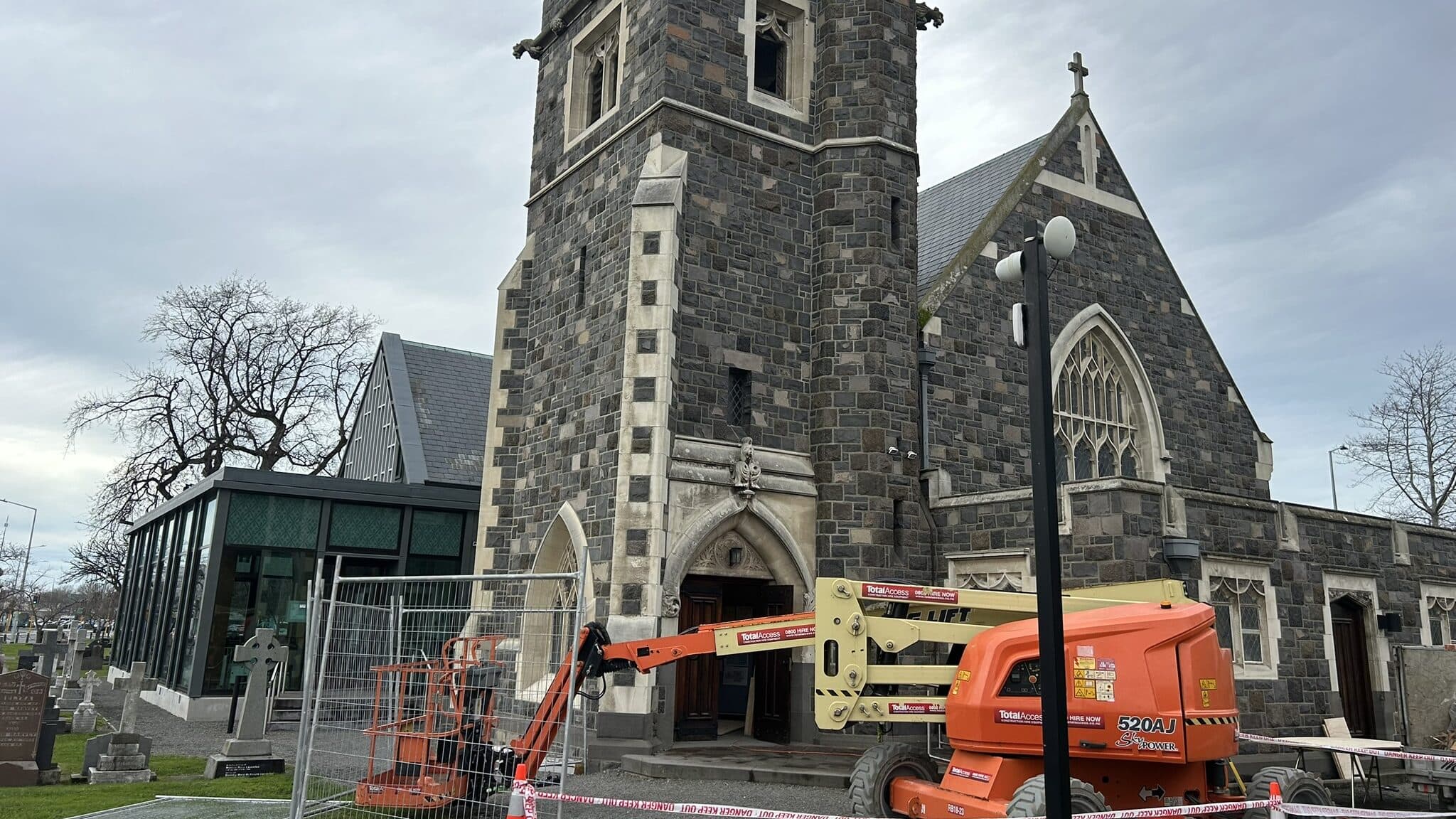
How an RPC site is run
RPC publishes four things it calls non-negotiable: on time and on budget, solution focused, no shortcuts and no surprises, and safety always. The fourth is what this page is about. In practice it shows up as four habits, each of which appears in RPC’s own account of its work.
- Site access is planned, not improvised
- Extra care around planning and co-ordinating every visit to site, including material deliveries and subcontractors. On a school or an operating business that is the whole job: the risk is not the building work, it is who walks past it.
- Subcontractors are held to RPC's standard
- RPC works with a group of quality-orientated subcontractors chosen to complement its own standards, and commits to a safe and friendly working environment for its own staff and for theirs. The bar a subcontractor is held to is published rather than left to assumption.
- The client's people are still in the building
- Rangiora RSA, Hamptons ITM, St Albans Baptist Church and Rolleston Christian School were each delivered around people who could not move out. Zones, pathways and staged access are the ordinary condition of an RPC site rather than a special measure.
- One conversation, repeated
- On Rangiora RSA, fortnightly site meetings involving all main parties are what RPC credits with getting the project through the problems it uncovered. The same habit is what keeps a safety plan from going stale halfway through a build.
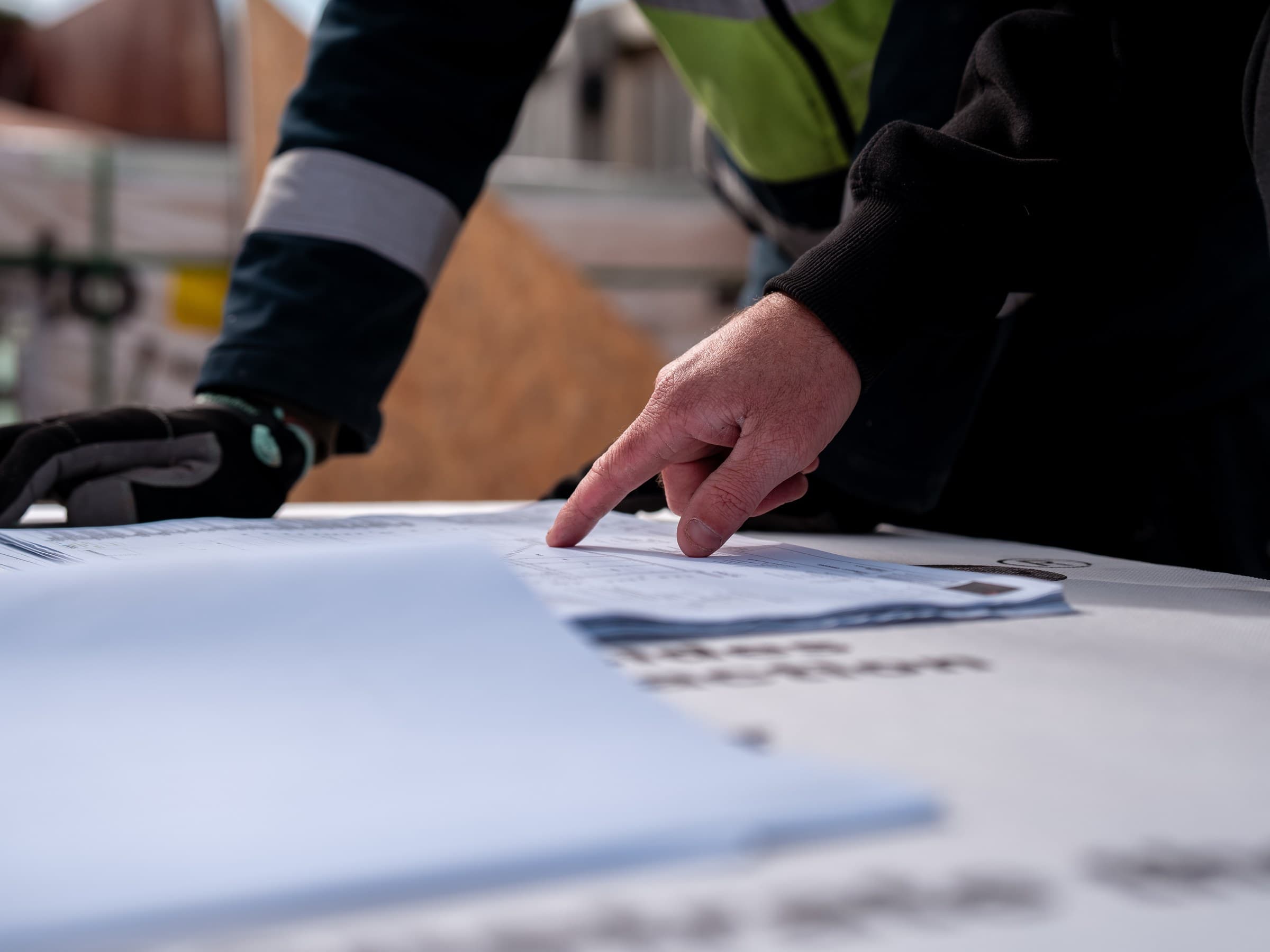
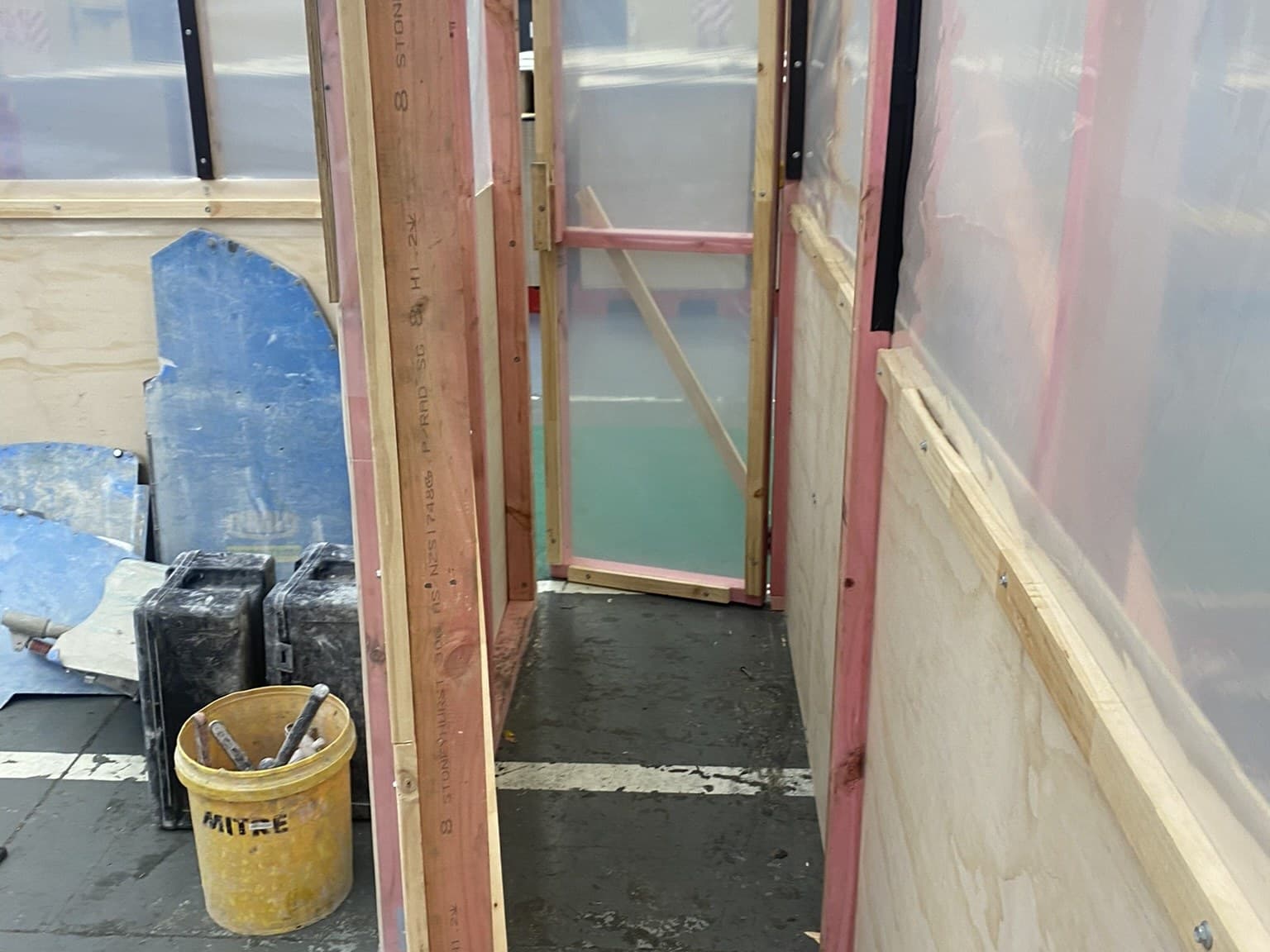
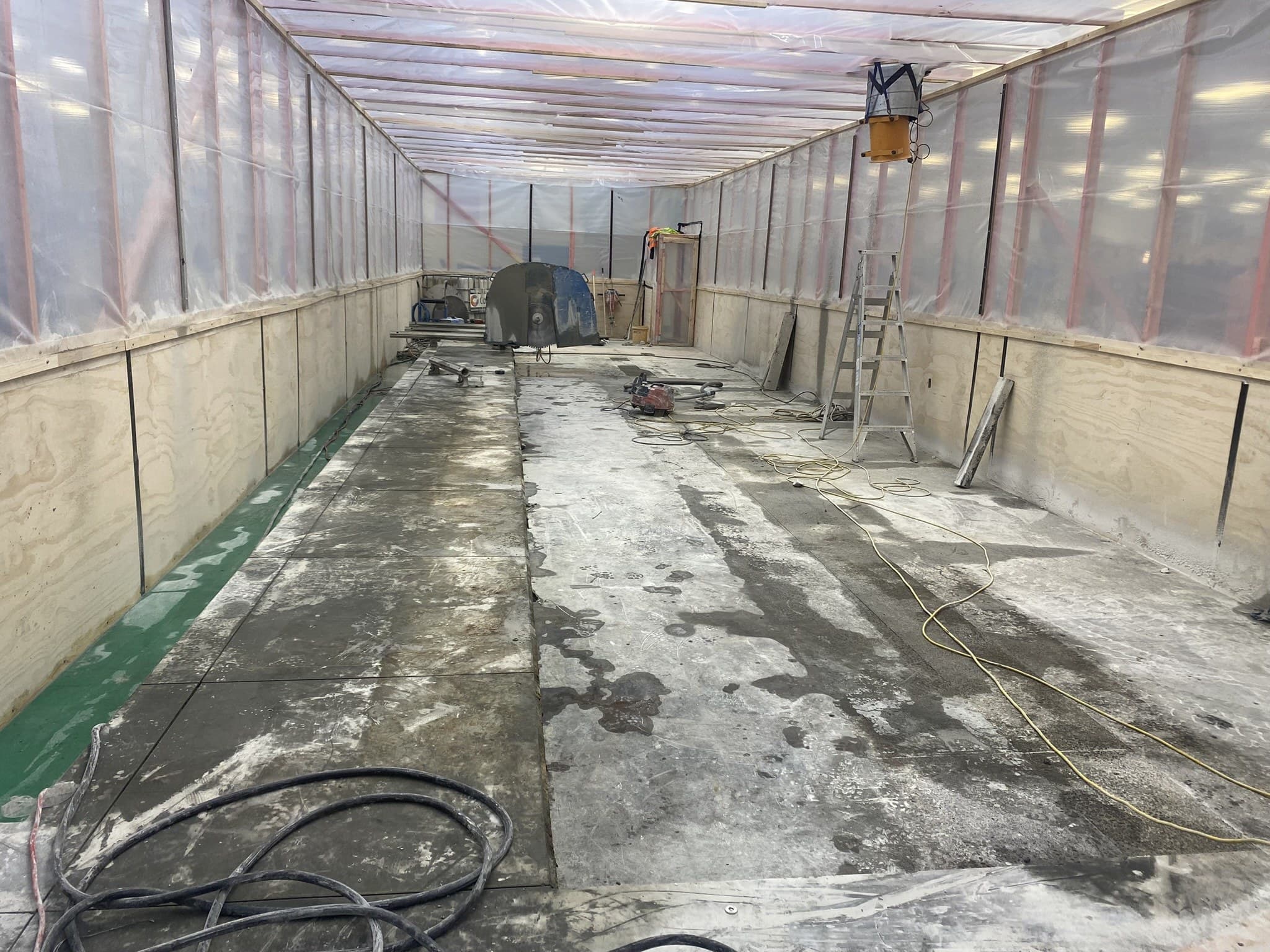
Working around a building that stays open
The clearest evidence of how RPC manages a site is not a document. It is that on Hamptons ITM at Ferry Road the business never stopped trading through an earthquake repair and a 3,380 square metre redevelopment, and that at Rangiora RSA the club kept trading in one area while the construction team worked in the other.
“The ITM and RPC management teams worked very closely together to set up progressive access, zones and pathways for staff, sub-contractors and ITM’s valued customers.”
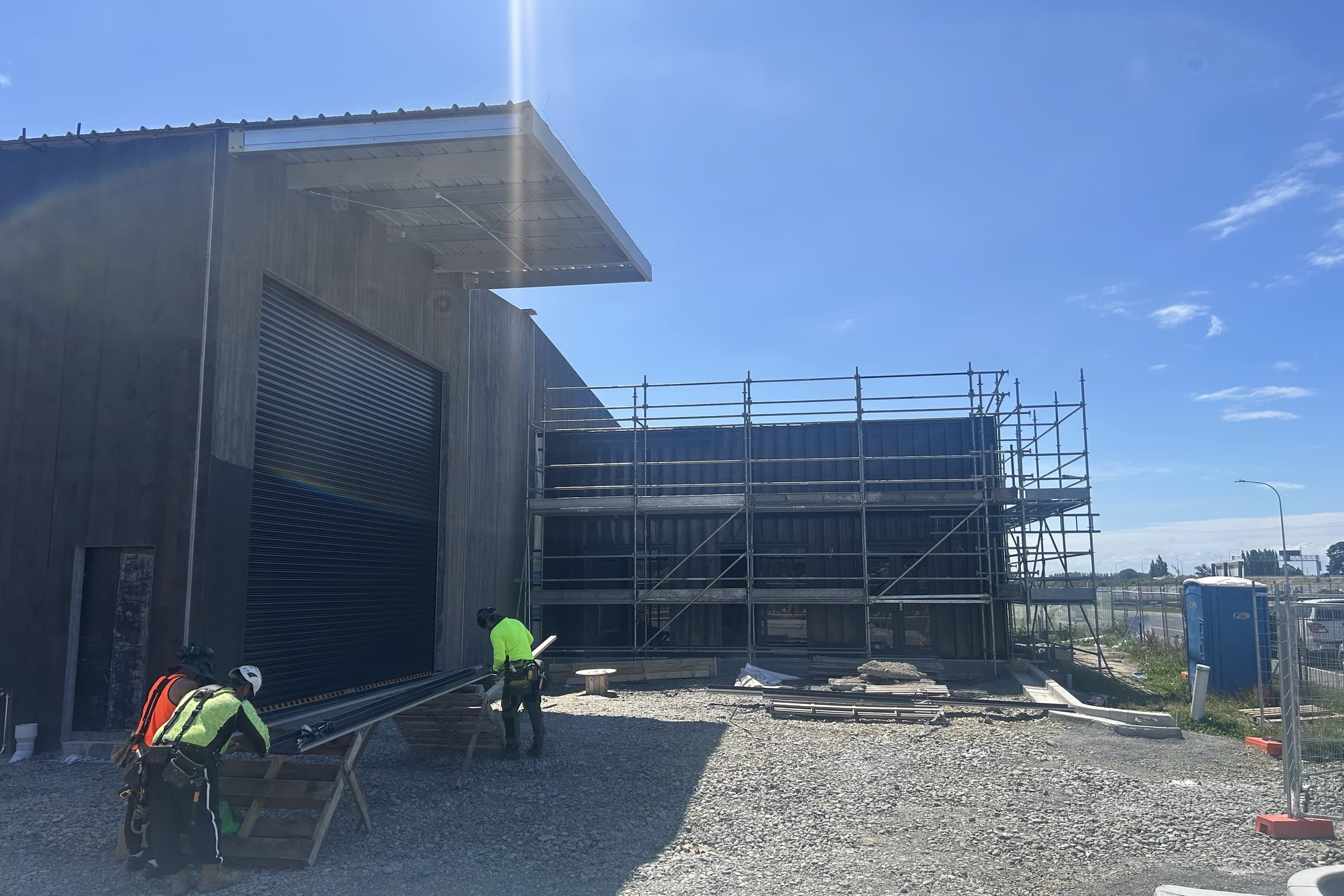
At Rolleston Christian School, RPC worked with the principal so that her students could watch the construction process without it interrupting their studies. That is the same discipline pointed at a different audience, and it was RPC’s second project for The Christian Schools’ Trust.